
Why Donors Need Clearer Impact Reporting?
A donor taps “Give.” The payment clears, and a receipt lands in the inbox within seconds. Then a quiet question follows: what happens now?

A donor taps “Give.” The payment clears, and a receipt lands in the inbox within seconds. Then a quiet question follows: what happens now?

A few weeks ago, a reader named Gary shared a story with me that I haven't stopped thinking about. Walking through cities with his young children,…

Across this series, I've written often about what's broken in digital giving. This week, I want to flip the lens: what are the nonprofits with healthy…
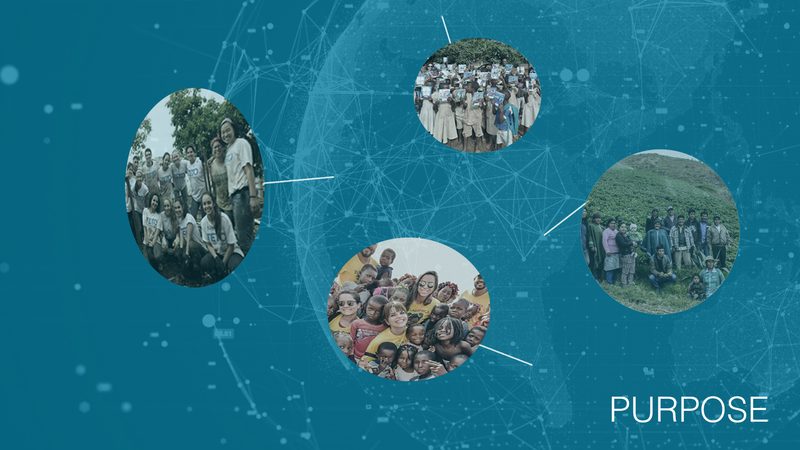
I have spent a decade of my life inside philanthropy. A decade watching extraordinary generosity flow toward extraordinary causes. And yet one number has never stopped…

Beneath every donor's preferences, habits, and history, there is something older and quieter. A core. A version of the self that does not change with trends,…

There is a moment in the life of a committed donor that almost no one talks about. It is the moment they stop being themselves, at…

Every act of giving is, at its core, an act of self-expression. The donor is not just transferring money to a cause. They are answering a…

There is no single road to meaningful philanthropy. There are many, and most donors never realize they are walking one.

There is a quiet but profound difference between people who give and people who belong to what they give to.

For years, crypto philanthropy was dismissed as a novelty, a niche behavior confined to early adopters and Bitcoin maximalists. In 2025, that view became untenable.

The previous posts in this series have explored digital giving from the donor's perspective, their psychology, their financial timing, their generational habits. But there is another…

For analog generations, the philanthropy journey begins with an institution. A church, a university, a hospital. The donor trusts the organization first, then writes a check.…
A person makes their first digital donation. They feel something, a spark of purpose, a moment of alignment between who they are and how they spend.…

You check your bank balance every day. You review transactions, track spending, monitor investments. Your financial app knows when you get paid, when your rent hits,…

What if technology could understand not just what you give to, but when you are most likely to give, and why?.

In the PURPOSE Post TEN we explored where America's $592.5 billion in charitable dollars go by cause. Now the question sharpens: where do those dollars come…
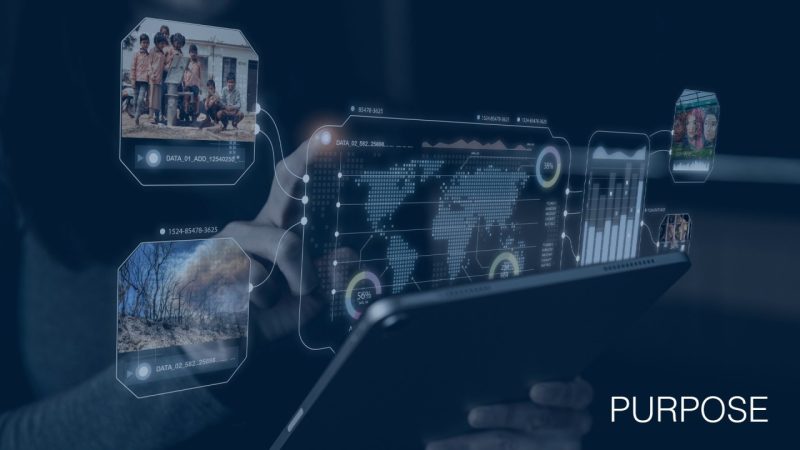
What the Distribution of U.S. Giving Reveals About the Future of Digital Philanthropy.

Most Americans give reactively. A campaign lands in their inbox, an impulse strikes, a year-end deadline looms and they donate. But giving without a strategy is…
Jen Shang and Adrian Sargeant Meaningful Philanthropy (2024) draws on interviews with 48 high and ultra-high net worth philanthropists to establish a critical distinction: the meaning…
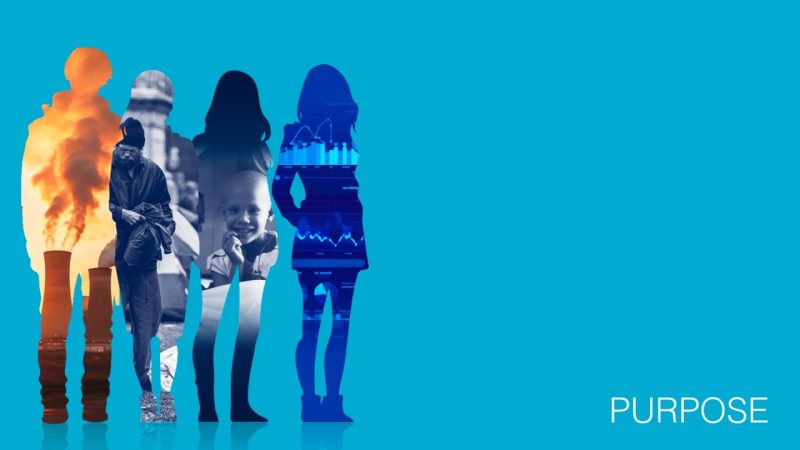
Over the next ten years, $22 trillion will transfer from Baby Boomers to Gen X and Millennials, the largest decade of wealth movement in history. Gen…

Donor Advised Funds have become the fastest-growing vehicle in American philanthropy. In fiscal year 2024, total DAF assets reached $326 billion—a 30% jump from the prior…

That's generosity—but it's also unpredictability.
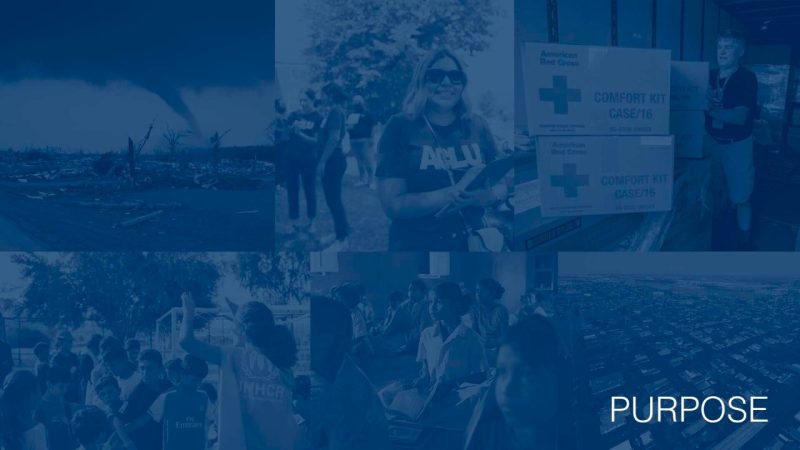
That gap defines the crisis in digital philanthropy.

The One Big Beautiful Bill Act rewrote the rules for charitable deductions. If you're a donor—or advise them—here's what you need to know.

Digital giving infrastructure was built to serve organizations, not the people who give.
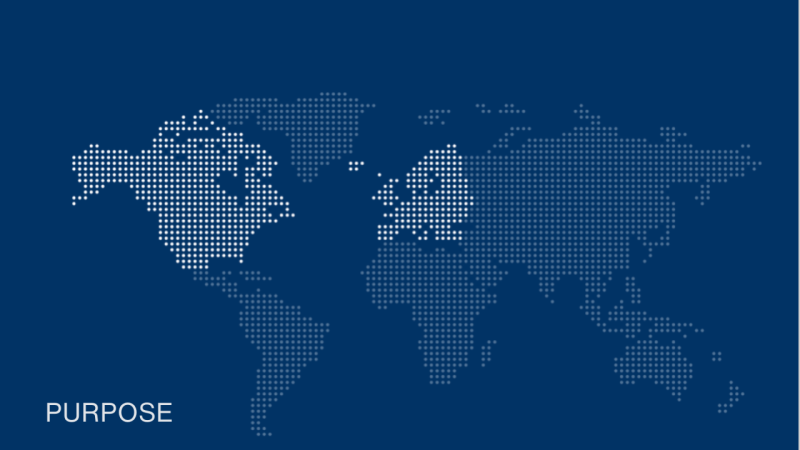
95% of philanthropic foundations are based in these two regions. 97% of global foundation assets sit here too.

There's something fundamentally broken in how we give digitally.
